Nov . 04, 2024 13:33 Back to list
Innovative Kitchenware Solutions for the Modern Cook and Culinary Enthusiast
The Evolution of Cookware A Journey Through Time
Cookware has come a long way since the inception of cooking itself. As one of the oldest forms of human innovation, it reflects not only culinary needs but also technological advancements and cultural shifts. From rudimentary clay pots to modern non-stick pans, the evolution of cookware is a fascinating story that intertwines with the development of society and cuisine.
In ancient times, human beings relied on simple tools made from natural materials. Stone, clay, and metal were among the first resources used to create cookware. The earliest pots and pans were primarily used for boiling or roasting, crafted by hand and devoid of the precision we see in contemporary cookware. These primitive tools laid the groundwork for future innovations, allowing our ancestors to develop various cooking techniques and cuisines.
The Evolution of Cookware A Journey Through Time
The Industrial Revolution marked a significant turning point in the cookware industry. With mass production methods emerging, cookware became more accessible to the general population. Enamel-coated cast iron pots and aluminum pans flooded the market, allowing home cooks to experiment with new recipes and techniques. The invention of non-stick surfaces in the mid-20th century revolutionized cooking once again. Teflon-coated pans made it easier to cook delicate foods without fear of sticking, transforming not just home cooking but also the restaurant industry.
cook cookware
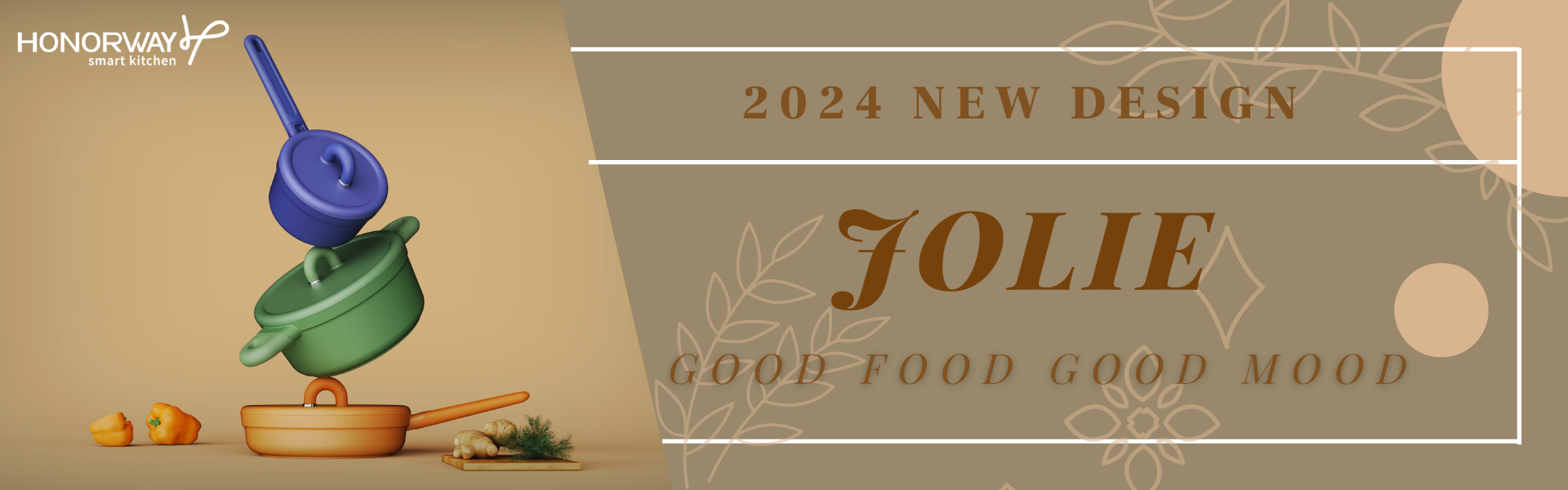
In recent years, there has been a noticeable shift towards healthier cooking options and eco-friendly materials. Stainless steel, silicone, and ceramic cookware have gained popularity as consumers become more conscious of the materials they use. Brands are increasingly emphasizing non-toxic and environmentally sustainable practices, appealing to a generation that values health and environmental responsibility. This demand for safer, more sustainable products has resulted in innovative cookware designs that do not compromise on quality or style.
Moreover, technology has played a significant role in the evolution of cookware. Smart cookware that incorporates digital interfaces and advanced features has emerged, teaching users how to cook through integrated recipes, timers, and temperature controls. This integration of technology into the kitchen ecosystem reflects our growing reliance on gadgets and the desire for convenience in cooking.
The diverse cultures around the world have also influenced cookware design and functionality. Woks in Asian cuisine, tagines in Moroccan cooking, and Dutch ovens in European kitchens demonstrate how different regions have tailored their cookware to suit their unique culinary traditions. These specialized tools and vessels not only enhance the cooking process but also connect people to their heritage and identity.
In conclusion, cookware is more than just tools in the kitchen; it is a reflection of human ingenuity, cultural diversity, and an ever-changing culinary landscape. From ancient pottery to high-tech frying pans, the evolution of cookware showcases our ongoing quest to improve the art of cooking. As we continue to innovate and embrace new cooking technologies, one thing is certain cookware will continue to evolve, influencing how we prepare and enjoy our meals for generations to come.
 English
  Arabic
  French
  German
  Italian
  Japanese
  Korean
  Portuguese
  Russian
  Spanish