Oct . 06, 2024 14:36 Back to list
is greenlife cookware toxic
Is GreenLife Cookware Toxic?
In today's health-conscious world, the debate over the safety and toxicity of cookware materials is more relevant than ever. One brand that has garnered attention is GreenLife, known for its ceramic non-stick cookware designed for healthier cooking. However, questions arise regarding the safety of using such cookware, particularly in terms of potential toxicity.
Is GreenLife Cookware Toxic?
Despite these claims, some consumers might still wonder if any potential toxins could be leached from GreenLife cookware during regular cooking. Research indicates that ceramic coatings, such as that used in GreenLife products, can generally withstand higher temperatures than traditional non-stick coatings, thus reducing the risk of releasing harmful substances. However, it is important to note that the longevity of these coatings can depend on their care and usage. Overheating, using metal utensils, or abrasive cleaners can damage the surface, potentially leading to the release of microscopic particles into food.
is greenlife cookware toxic
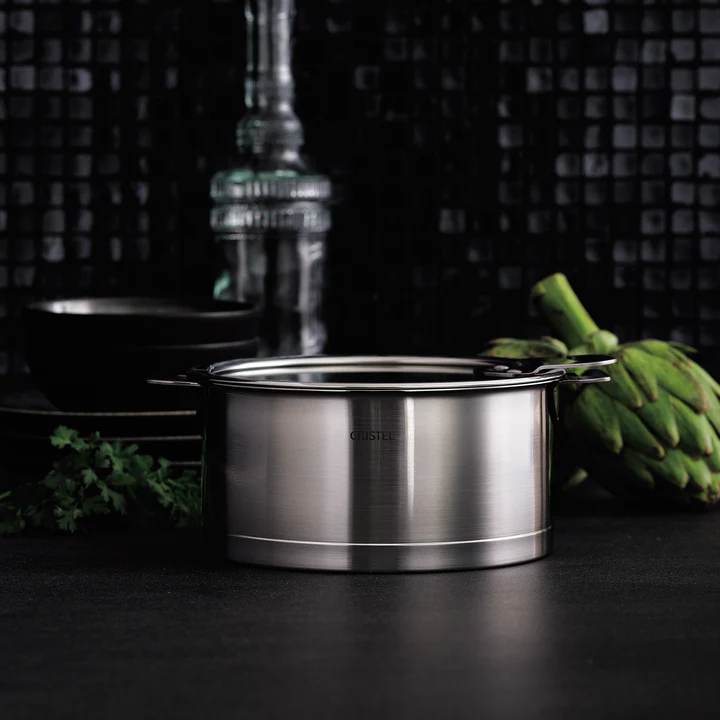
Furthermore, while GreenLife pots and pans are marketed as non-toxic, the entire cookware manufacturing process should be considered. The sourcing of materials and the processes employed to produce cookware can influence product safety. Like any cookware, the presence of heavy metals or contaminants in the raw materials should be a consideration. The brand claims to adhere to strict safety standards, but consumers are encouraged to conduct their research on sourcing and quality assurances provided by the company.
When considering whether GreenLife cookware is toxic, it is also vital to evaluate the broader context of cooking materials. Many conventional non-stick options still pose risks, and the market is gradually shifting toward healthier alternatives. GreenLife offers a viable solution for those seeking non-toxic cookware that aligns with a healthier lifestyle.
Ultimately, the decision to use GreenLife cookware comes down to personal priorities regarding health and safety. While it is marketed as a safer, eco-friendly option, users should always be mindful about usage and care. Following manufacturer guidelines can go a long way in ensuring the longevity of the cookware and minimizing potential risks.
In conclusion, while GreenLife cookware presents a less toxic alternative to traditional non-stick options, consumers must remain vigilant about proper care and remain informed about the materials used in their cookware. Making educated choices about kitchenware can lead to healthier cooking practices and overall well-being.
 Korean
  English
  Arabic
  French
  German
  Italian
  Japanese
  Portuguese
  Russian
  Spanish